The Hidden Cost of Phone Calls at the Gate in Guard-Gated Communities
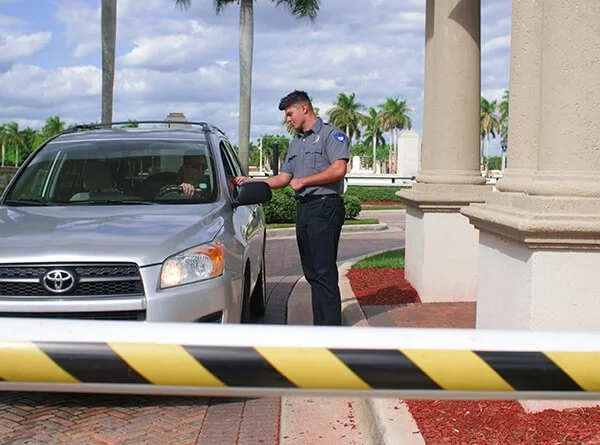
Calling the resident to approve a guest was the standard for gated communities for as long as I can remember. There was nothing crazy about the process, but it always felt like the bare minimum a guard could do to verify you’re supposed to actually enter.
Guest pulls up.
Guard asks who they’re visiting.
Guard calls the resident.
Resident confirms.
Gate opens.
Cant get anymore straight forward than that.
Gated communities weren’t really the norm, so if you happened to get stuck at a gate, this process was completely fine.
The issue today isn’t that phone calls are necessarily wrong, or that the process isn’t secure, it’s that there’s far more gated communities, and Wayyyyyy more visitors at the gate. Clearly, something has to change.
The world sped up
One of our founders comes from the world of last mile delivery, and if you can’t see the cause and effect between last mile and guard gates, let me walk you through it.
Residents don’t just have guests anymore. They have grocery deliveries, Amazon, DoorDash, dog walkers, cleaners, mobile car detailers, contractors booked through apps… pretty much anything you can think of, residents are getting ordered and delivered to their houses. The convenience of delivery has changed how we operate as a society.
And for gates, that means one thing… The visitor volume is simply higher… and the visitors who are approaching the gate are not repeat visitors who have all the right information or know where they’re going.
Now take all of that, and look at how most guard-gated communities haven’t evolved the approval process to match that volume. It still depends on a live phone call at the moment a vehicle arrives.
Phone calls don’t scale well
On a calm afternoon, guards having to the call the resident isn’t really much of an issue, even if they have to call a couple of times when the resident naturally misses the first call. On a busy afternoon when 10 cars pull up at the same time, its a much different story.
If several vehicles arrive within a few minutes of each other and each one requires a call, you’ve instantly created a queue. Even if each call only takes 30–45 seconds, those seconds stack up quickly.
Now there’s a line. And no one is happy about it… The visitors are definitely annoyed and all asking the same question, “what could possibly be taking so long?” The resident is annoyed that whoever they are waiting on is now late, and you as a property manager just gave your community a great first impression to all who came to visit.
And when pressure builds at the gate, something usually gives. Whether its the guard just letting people in, or skipping steps on the entry log, humans naturally try to relieve pressure in the moment.
Inconsistency isn’t intentional — it’s structural
This pressure led inconsistency might not seem like a glaring issue, but residents and visitors are observant, and quickly catch on to these trends.
One guard calls every time, no exceptions. Another might allow entry if they recognize the vendor. Another might skip a call if the line is backing up and they’re confident it’s legitimate.
Now you as a property manager are dealing with the inconsistency of data at your gate that you need when something goes wrong. One peak rush, and you’re left with a glaring data gap.
The interruption factor
Let’s talk about the part of the call process that no one likes to talk about… that NO ONE likes to receive phone calls these days. Every approval call pulls a resident out of whatever they’re doing. Work meetings. Dinner. Time with their kids. Or worse, it wakes their kids…
Multiply that by dozens of calls per day across a community, and what once felt secure starts to feel inefficient.
Eventually, residents start asking, “Is there a better way to handle this?” That’s usually the beginning of change.
The line tells the truth
If you want to evaluate a gate process, don’t look at it when traffic is light. Look at it when the line is long. That’s when you see whether the system was built for today’s environment or not.
When cars are backed up and the guard is juggling calls, checking IDs, logging entries, and managing frustrated drivers, the process is under real stress. Do your guards still follow the entire process leading to a longer line that seems never ending, or do they finally start to cave to speed and let people in?
Final thought
Phone calls at the gate didn’t suddenly become a bad idea. They just weren’t built for the level of activity most guard-gated communities are dealing with today.When visitor traffic increases but the workflow stays the same, friction becomes inevitable.
The communities running the smoothest gates right now aren’t necessarily stricter. They’re just operating with processes that match how the world actually works today.
And that process is… authorizing visitors before they ever arrive with visitor keys. If you want to learn more, contact us below!